What to Do in the First 24 Hours After Water Damage
Water damage can become mold growth in as little as 24–48 hours in San Diego's warm climate. If you have active flooding or major leakage, call Brothers now at 619-279-7357 before reading further.
A burst pipe, a washing machine overflow, a roof leak during one of San Diego's rare heavy rain events — water intrusion happens fast. What you do in the next 24 hours determines whether you're dealing with a cleanup job or a full-scale renovation.
Hour 0–1: Stop the Source and Stay Safe
Before anything else, stop the water. For a burst pipe, locate your main shutoff valve — typically near the water meter or where the main line enters the house. Turn it off immediately. For an appliance leak, unplug the appliance and shut off its supply line.
Critical safety rules: Do not enter standing water if any electrical outlets, appliances, or wiring are submerged. Water and electricity are a lethal combination. If you're unsure, shut off power to the affected circuit at your breaker panel first.
Hour 1–3: Document Everything Before You Touch It
Before you move a single piece of furniture or pull up carpet, take photos and video of every affected area. Walk through the entire space systematically — floor, walls, ceiling, furniture. This documentation is essential for:
- Your homeowner's insurance claim
- Proving the extent of damage to restoration professionals
- Establishing a timeline if mold becomes an issue later
Note the water source, the time you discovered the damage, and approximately how long the water may have been flowing.
Hour 3–8: Begin Water Removal
Every minute of contact time means water is soaking deeper into subfloor, baseboards, wall cavities, and carpet padding. The padding is the biggest concern — it acts like a sponge and holds far more water than the carpet above it. Once padding is saturated, it cannot be dried effectively in place and almost always needs to be replaced.
What you can do right now:
Use a wet/dry shop vacuum to extract standing water from hard floors
Place towels and mops to soak up surface water on carpet
Move furniture off wet carpet — place aluminum foil squares under legs to prevent rust and dye transfer
Lift area rugs immediately — they trap moisture and dye-bleed onto wet carpet
Open windows and turn on ceiling fans to start air circulation (only if outdoor humidity is lower than indoor)
What NOT to do: Do not use a regular household vacuum to remove water — it will be ruined and can create an electrical hazard. Do not use a hair dryer or space heater to dry carpet — uneven heat causes shrinkage and fiber damage. Do not wait to see if it dries on its own.
Hour 8–24: Call a Professional Restoration Company
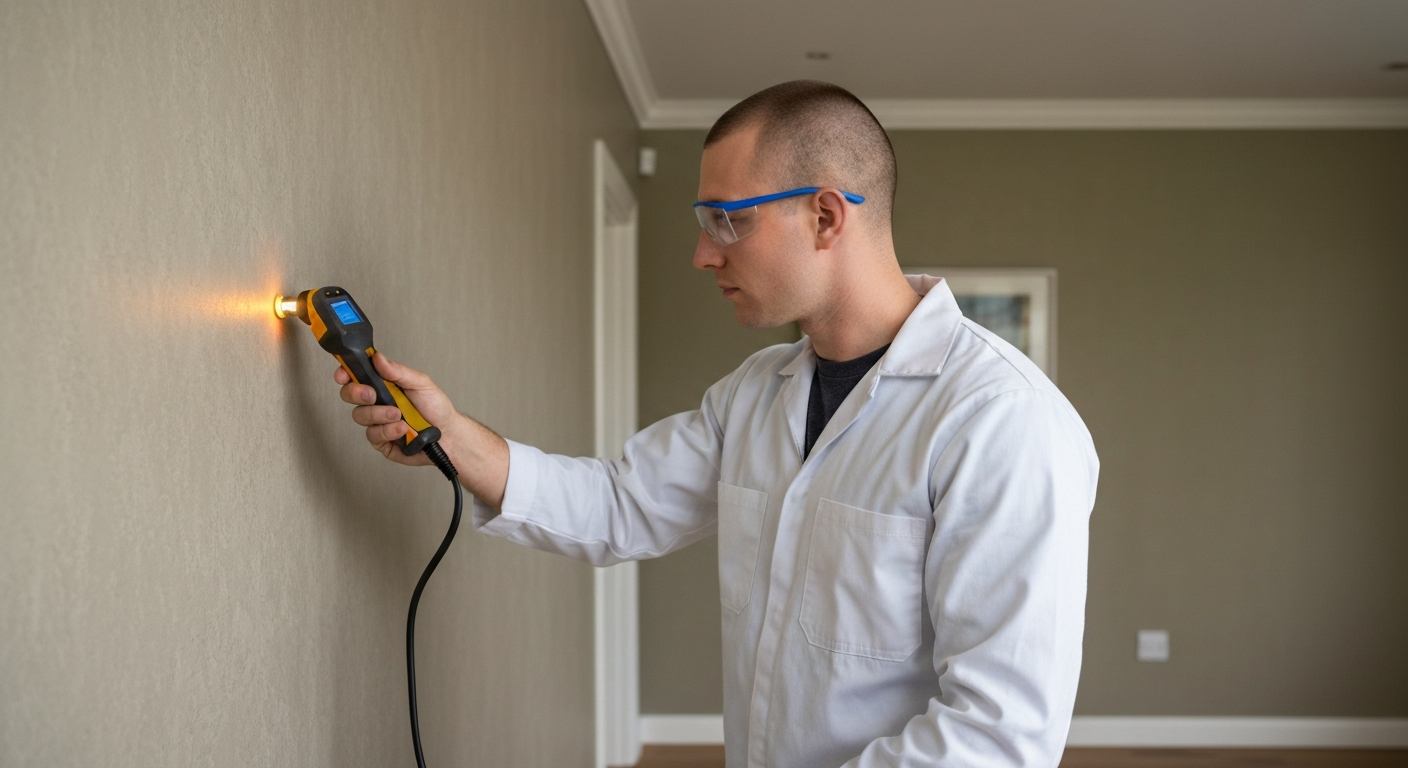
Surface drying with fans is not enough. Water damage professionals use industrial extraction equipment, thermal imaging cameras to detect hidden moisture pockets, and commercial-grade air movers and dehumidifiers that generate far more airflow than anything available at a hardware store.
In San Diego's climate — warm temperatures, variable humidity — mold can begin colonizing wet materials within 24 to 48 hours. Professional equipment can reduce drying time from weeks to 3–5 days, which is the critical window before mold becomes a secondary problem.
When you call Brothers, Frank will assess the extent of water intrusion, determine which materials can be dried and saved versus which need to be removed, and set up the drying equipment. He's served San Diego homeowners since 1994 and responds quickly to emergency calls.
What About Insurance?
Most standard homeowner's insurance policies cover "sudden and accidental" water damage — a burst pipe qualifies. They typically do NOT cover flooding from rain or rising groundwater (that requires separate flood insurance). Slow leaks that show signs of long-term damage may also be denied as "neglect."
Call your insurance company within the first few hours to start the claims process. Ask specifically whether you're approved for emergency mitigation services before they send an adjuster — most policies allow you to take emergency steps to prevent further damage.
Brothers works with all major insurance carriers and can document the damage professionally to support your claim.
The 72-Hour Rule
Restoration professionals use the 72-hour benchmark as the outer limit for effective mitigation. Beyond 72 hours, structural materials like drywall, hardwood subfloor, and OSB sheathing absorb enough water that they begin to warp, delaminate, and support microbial growth at a level that cannot be remediated — only replaced. Acting within the first 24 hours dramatically reduces your total repair cost and the likelihood of mold remediation being necessary.
Related Reading
Water Damage Emergency?
Brothers responds fast across all of San Diego County — 24/7 emergency service available.